


-

Add: HeBei ShengShi HongBang Cellulose Technology CO.,LTD.
-

Email
13180486930@163.com -

CONTACT US
+86 13180486930



Le Polypropylène Un Acteur Clé dans l'Industrie des Matériaux Le polypropylène, un polymère thermoplastique issu de la polymérisation du propylène, est devenu un matériau incontournable dans diverses industries. Il est largement utilisé en raison de sa polyvalence, de sa légèreté, et de sa résistance aux produits chimiques. Son utilisation s'étend des emballages aux textiles, en passant par les composants automobiles et les biens de consommation. Propriétés du Polypropylène Le polypropylène se distingue par plusieurs propriétés qui en font un choix privilégié pour de nombreuses applications. Tout d'abord, ce matériau est exceptionnellement résistant à la chaleur, ce qui le rend adapté à des environnements où d'autres plastiques pourraient fondre ou se déformer. De plus, il présente une excellente résistance aux chocs, une durabilité qui lui permet de résister à un usage intensif, et il est également imperméable à l'eau, ce qui le rend utile pour les produits ayant des besoins de résistance à l'humidité. Une autre caractéristique remarquable du polypropylène est sa légèreté. Cela permet de réduire le poids des produits finaux, ce qui est particulièrement avantageux dans l'industrie automobile où chaque kilogramme économisé peut améliorer l'efficacité énergétique des véhicules. Enfin, le polypropylène est recyclable, ce qui est essentiel dans une époque où la durabilité et la réduction des déchets sont des préoccupations majeures. Applications du Polypropylène produsen serat polipropilen Les applications du polypropylène sont vastes et variées. Dans le secteur de l'emballage, par exemple, il est utilisé pour fabriquer des films d'emballage, des containers et des bouteilles en plastique. Sa résistance à l'humidité et aux produits chimiques le rend idéal pour les matériaux d'emballage alimentaires, contribuant ainsi à prolonger la durée de conservation des produits. Dans l'industrie textile, le polypropylène est utilisé pour fabriquer des non-tissés, des vêtements, et des tapis. Sa capacité à être teint et à conserver sa forme en fait un choix idéal dans la mode et le design d'intérieur. De plus, dans le secteur automobile, le polypropylène est utilisé pour des pièces intérieures, des panneaux de porte et des composants structuraux, offrant une combinaison de légèreté et de robustesse. Avantages Environnementaux L'un des avantages les plus significatifs du polypropylène est sa recyclabilité. De nombreux pays ont mis en place des systèmes de collecte pour encourager le recyclage des plastiques, y compris le polypropylène. En repensant notre approche de l'utilisation des plastiques, nous pouvons contribuer à la réduction des déchets plastiques dans les décharges. De nombreuses entreprises se tournent vers des matériaux recyclés pour produire de nouveaux produits en polypropylène, favorisant ainsi une économie circulaire. Conclusion En somme, le polypropylène représente un matériau essentiel dans le monde moderne. Sa combinaison unique de propriétés, sa légèreté, sa résistance et sa recyclabilité en font un choix idéal pour une multitude d'applications. Alors que le monde continue de se concentrer sur la durabilité et l'innovation, le polypropylène est bien positionné pour jouer un rôle de leader dans le développement de solutions matérielles durables et efficaces. L'avenir du polypropylène semble prometteur, tant pour les producteurs que pour les consommateurs, dans un monde où les choix de matériaux durables sont de plus en plus déterminants.
- 40000tons

Production
- 20+years

Experience
- 5000+㎡

Acreage

-
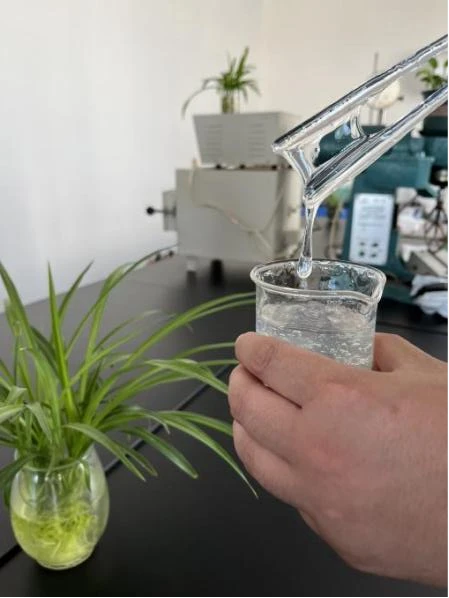
As someone who has experienced the discomfort of dry eyes, the search for a reliable ophthalmic solution can be daunting. The introduction of HPMC Ophthalmic Solution USP Lacrigel into the market has been a game-changer for many . This product, hailed for its effectiveness, adheres to stringent quality standards in ophthalmic care and offers substantial relief to individuals suffering from various ocular surface disorders. HPMC, or Hydroxypropyl Methylcellulose, is a key ingredient known for its viscosity-enhancing properties. This characteristic is crucial in ophthalmic solutions as it provides the necessary lubrication to the ocular surface, mimicking natural tears. But not all HPMC-based solutions are created equal; the formulation within Lacrigel stands out due to its optimal viscosity, which ensures prolonged contact time with the eye surface. This is particularly advantageous for individuals experiencing severe dry eye symptoms, as longer retention can offer extended relief and protection against environmental irritants. From a professional perspective, the expertise embedded in the creation of Lacrigel is evident. Developed by top-tier specialists in ophthalmology, the solution is rigorously tested to meet the highest standards of safety and efficacy. This endorsement from healthcare professionals is a testament to its reliability in treating conditions like dry eye syndrome, especially in cases where other treatments have failed to deliver satisfactory results. Authoritativeness is another pillar that supports HPMC Ophthalmic Solution USP Lacrigel's esteem in the market. It is not only recommended by eye care practitioners globally but also preferred by patients who have experienced transformative results firsthand. The formulation’s ability to restore moisture, alleviate irritation, and improve comfort cannot be overstated. With frequent use, individuals report noticeable improvements in visual clarity and a significant reduction in the scratchy sensation often associated with dry eyes. hpmc ophthalmic solution usp lacrigel Trustworthiness remains at the forefront of Lacrigel’s brand philosophy. Transparency in its formulation and thorough clinical evaluations assure users of its commitment to ocular health. In addition, its non-preservation formula is a critical factor for those who wear contact lenses or have particularly sensitive eyes. This makes Lacrigel an inclusive solution for a wider demographic, further cementing its position as a trusted product in the sphere of ophthalmic care. Experience shared by users highlight its ease of application and swift action. The gel consistency is particularly favored as it offers a balance between liquid drops and ointments, avoiding the blurriness often caused by the latter. For professionals with demanding schedules, such as pilots or office workers under constant exposure to digital screens, Lacrigel’s efficacy offers a reprieve, allowing them to maintain productivity without the distraction of dry, irritated eyes. Furthermore, it’s essential to recognize the importance of following a consistent eye care routine alongside using Lacrigel. Regular ophthalmologist visits, proper eye hygiene, and adequate hydration complement the benefits of this solution, enhancing overall eye health. Such a comprehensive approach ensures that while Lacrigel addresses immediate symptoms, underlying factors contributing to dry eyes are also managed effectively. In summary, HPMC Ophthalmic Solution USP Lacrigel is not just another product on the shelves; it is a refined, highly effective ophthalmic solution that aligns with the highest standards of eye care. Its formulation, backed by expert research and clinical validation, along with positive testimonials, underscore its position as a leading choice for managing dry eye symptoms. As individuals seek reliable solutions to enhance their quality of life, Lacrigel stands as a beacon of trustworthiness and efficacy in the dynamic landscape of ophthalmic healthcare.
-
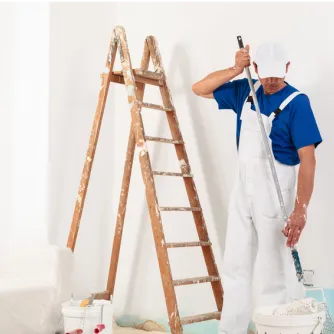
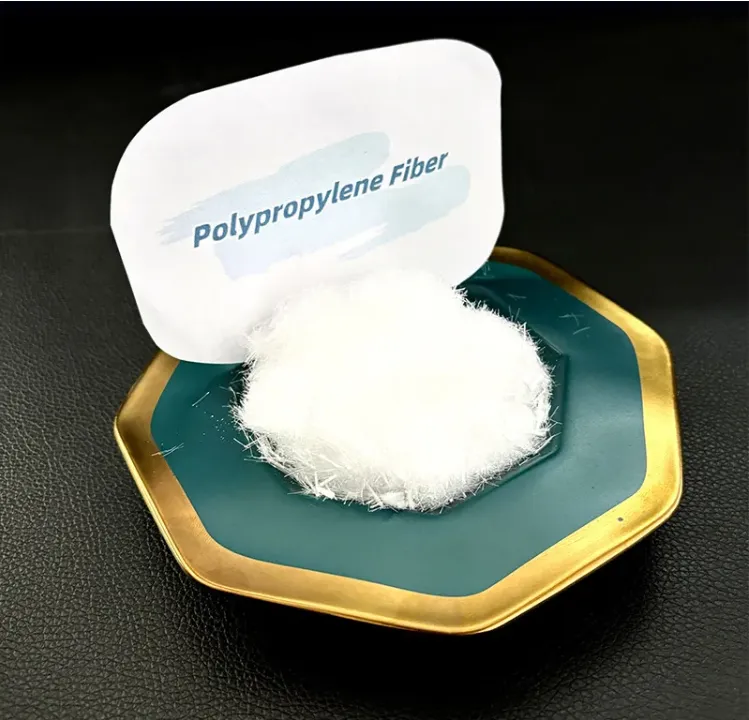
Polypropylene fiber is a versatile, durable material that is used in a variety of applications across multiple industries. Known for its excellent resistance to wear, moisture, and chemicals, polypropylene fiber provides strength, flexibility, and longevity to the products it’s used in. Whether you're in the construction, textile, or automotive industry, polypropylene fiber can improve the overall quality of your products. From reinforcing concrete to enhancing fabric durability, polypropylene fiber is the perfect solution for creating high-performance, long-lasting materials. Discover the benefits of polypropylene fiber and see how it can elevate your product offerings. Explore the Many Polypropylene Fiber Uses in Various Industries Polypropylene fiber uses are wide-ranging and highly valuable across many sectors. In the construction industry, polypropylene fiber is often used to reinforce concrete, improving its tensile strength and reducing the likelihood of cracks. This type of fiber also helps prevent shrinkage and enhances the durability of the material. Polypropylene fiber uses extend to textiles, where it is used in carpets, upholstery, and clothing due to its ability to resist moisture and stains. The automotive industry also benefits from polypropylene fiber , which is used in interior parts and insulation materials. By incorporating polypropylene fiber into your products, you can enhance their performance, durability, and overall quality. Get the Best Polypropylene Fiber Price for Your Needs When sourcing polypropylene fiber , understanding the polypropylene fiber price is key to maintaining your budget while ensuring top quality. The polypropylene fiber price varies based on factors such as the type of fiber, quantity, and specific application. However, we offer highly competitive prices that allow you to get the best value for your investment. Whether you're purchasing in bulk or small quantities, our pricing is designed to meet your needs without compromising on quality. We aim to provide affordable, high-performance polypropylene fiber that delivers exceptional results for your business. Contact us today to learn more about polypropylene fiber price and how we can help you save on your next order. Work with Trusted Polypropylene Fiber Suppliers for Consistent Quality Choosing the right polypropylene fiber suppliers is essential to ensuring that you receive a reliable, high-quality product. As one of the leading polypropylene fiber suppliers , we provide a wide range of polypropylene fiber s tailored to various applications. Our fibers are produced using advanced technologies and undergo stringent quality control to ensure consistency and performance. We understand the importance of delivering products that meet your specifications, which is why we work closely with you to offer customized solutions that suit your needs. Partner with us as your trusted polypropylene fiber suppliers and benefit from our reliable service, fast shipping, and top-tier products. Why Choose Us for Your Polypropylene Fiber Needs? When it comes to sourcing polypropylene fiber , we are your go-to partner for reliable, high-performance products at the best polypropylene fiber price . As experienced polypropylene fiber suppliers , we offer a wide range of products for diverse industries such as construction, textiles, and automotive. Our commitment to quality, customer satisfaction, and competitive pricing sets us apart from the competition. Whether you need polypropylene fiber for a large-scale project or a smaller specialized order, we have the expertise and resources to meet your needs. Choose us for all your polypropylene fiber requirements and experience unmatched quality and service.
advantages
-

200000 Viscosities
Excellent product
We can produce pure products up to 200,000 viscosities
-

40000 tons
High yield
We don’t stop production all year round, and the annual output can reach 40,000 tons
-

24 hours
Quality service
We provide 24-hours online reception service, welcome to consult at any time
———— Inquiry Form
Schedule A services

-
 hydroxypropyl_methylcellulose_buy
Oct . 25, 2025
Fiber reinforced polypropylene (FRP) represents a groundbreaking advance in material science, unique -
 bubuk_vae
Oct . 25, 2025
Hydroxypropyl methylcellulose (HPMC) is a versatile polymer extensively used across various industri -
 polypropylene_concrete_fiber
Oct . 25, 2025
The formulation of high-performance cement-based renders and plasters demands precision-engineered a


